The invisible enemy should not exist
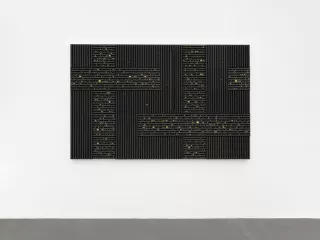
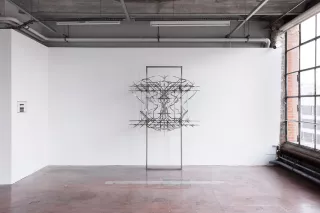
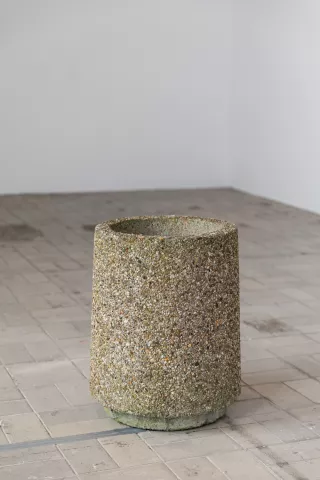
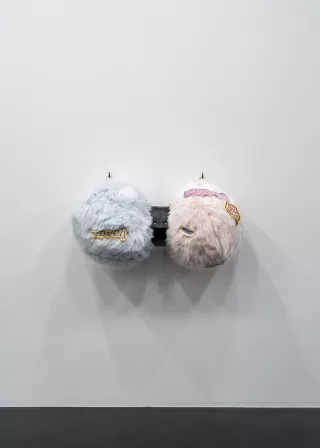
Begun in 2006 in response to the looting of the National Museum of Baghdad in 2003, the series The Invisible Enemy Should Not Exist reinterprets archaeological objects that were kept in the collections of this institution. Michael Rakowitz reproduces these “ghost artefacts” to scale based on the database created by the University of Chicago and on the worldwide list of stolen works compiled by Interpol. The works are not identical to the originals, however: they are simulacra that the artist wraps in food packaging and newspapers from the Arab world to reflect the economic stakes underlying international political relations. For him, it is a matter of “making visible objects that are culturally invisible,” notably through the pejorative perception of Iraqi culture within American society, by embodying the gaps that these destructions create and that this series contributes to filling.
Text written by Léonie Maton as part of the partnership between the École du Louvre and Lafayette Anticipations – Fonds de dotation Famille Moulin.
Exhibitions
FRAC Lorraine, Metz (France)
from 22 Feb to 12 Jun 2022
Institut des Cultures d'Islam, Paris (France)
from 29 Mar to 05 Aug 2018
Michael Rakowitz

Born in 1973 in New York, États-Unis
Michael Rakowitz s’intéresse aux tensions entre les États-Unis et l’Irak, et dans une plus large mesure à celles qui s’exercent entre l’Occident et le Moyen-Orient. Depuis les années 2000, sa pratique artistique est traversée de problématiques liées aux notions d’héritage, de mémoire et de transmission. Il réinterprète de manière protéiforme des biens patrimoniaux rendus parfois inaccessibles par les circonstances géopolitiques pour témoigner de récits moins légitimés par l’Histoire. Son œuvre aborde les rapports de pouvoir, leurs enjeux et leurs conséquences à différentes échelles, qu’elles soient internationales, nationales ou locales.
Né en 1973 à New-York (États-Unis) de parents irakiens, Michael Rakowitz vit et travaille aujourd’hui à Chicago (États-Unis).